Four experts give their assessment on how advances in technology and science will transform oncology care over the coming decade and beyond.
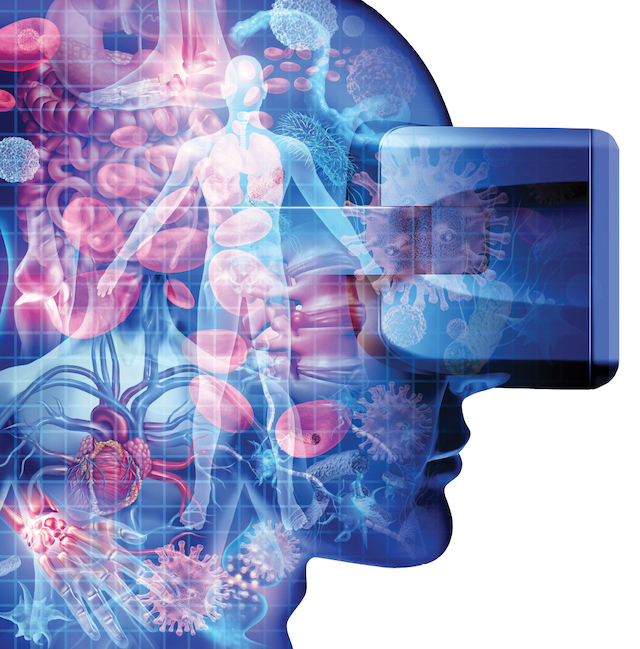 The profound progress in cancer care since President Richard Nixon signed the National Cancer Act of 1971 into law is evidenced by the soaring number of cancer survivors since the law went into effect. In the 1970s, there were 3 million cancer survivors;[1] today, there are more than 18 million, and that number is expected to climb to 26 million by 2040.[2]
In addition, advances in cancer treatment over the past 3 decades, along with smoking cessation and earlier detection for some cancers, have resulted in a steady drop in cancer mortality, preventing more than 4 million deaths in the United States since 1991.[3] However, despite this improvement, cancer remains an insidious disease that, in 2024, is expected to take the lives of over 611,000 individuals in the United States – and nearly 10 million globally.[4] Continue reading
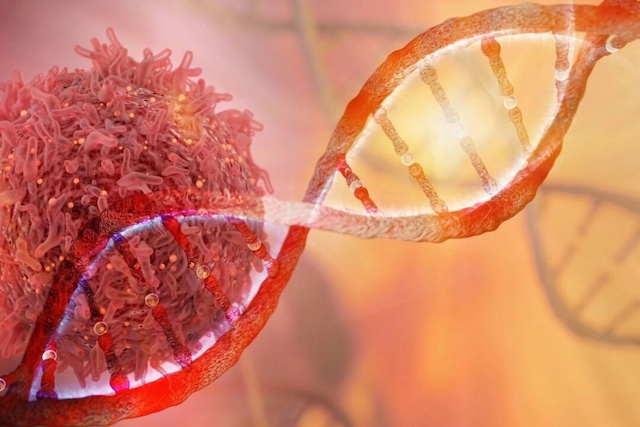
 Doctors are being warned that a lifesaving
 I sat there, frozen in time, full of fear, full of anxiety. Waiting for my time to “face the music,” but this wasn’t a dance party.
 We are witnessing an explosion of cancer in the United States that is absolutely unprecedented. As you will see below, it is being projected that the number of new cases of cancer in the U.S. will hit a brand-new record high this year, and cancer rates are rising particularly rapidly among our young people.
 It happens more often than you can imagine, but more doctors are finally getting caught in the act of misrepresenting their oath and fraudulently diagnosing healthy patients with cancer to turn a quick buck from kickbacks on chemotherapy poisons.


 Can you be too old to get a colonoscopy?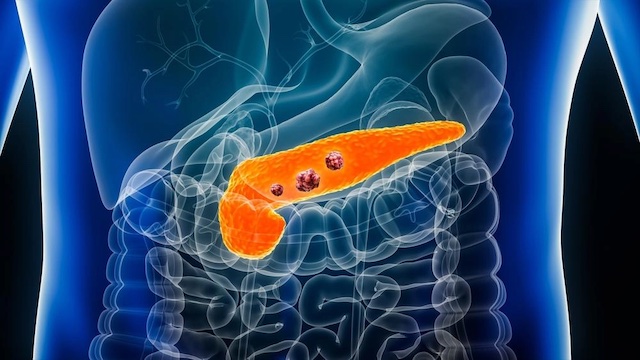
 The mRNA used in the COVID-19 vaccines has been modified from its naturally occurring form to prevent degradation by the immune system when injected. In a review published on April 5, researchers argue that modification – specifically, N1-methyl-pseudouridine modification – to mRNA causes immune suppression that may contribute to cancer development.