
There is ongoing debate about who should undergo a colonoscopy and when.
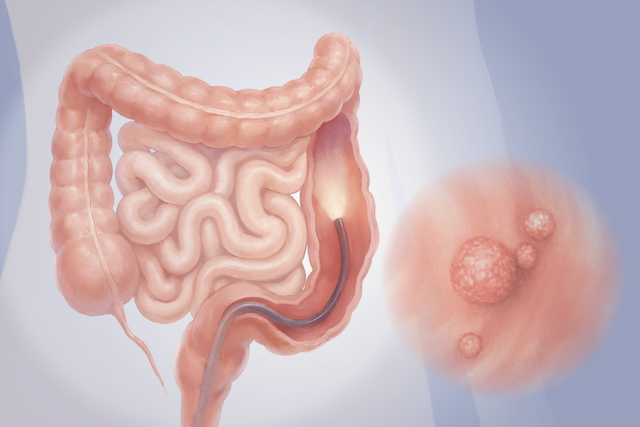 Colonoscopy is the most widely used screening test for colon cancer, which is the second leading cause of cancer-related death in the United States.
It is considered the gold standard and is more accurate than two other common screening methods—stool tests and sigmoidoscopy—because it allows doctors to see the entire colon and remove any potentially problematic polyps during the same procedure.
However, there is ongoing debate about who should undergo a colonoscopy and when. Not everyone will get colon cancer, and the procedure could lead to overdiagnosis as well as rare but serious side effects.
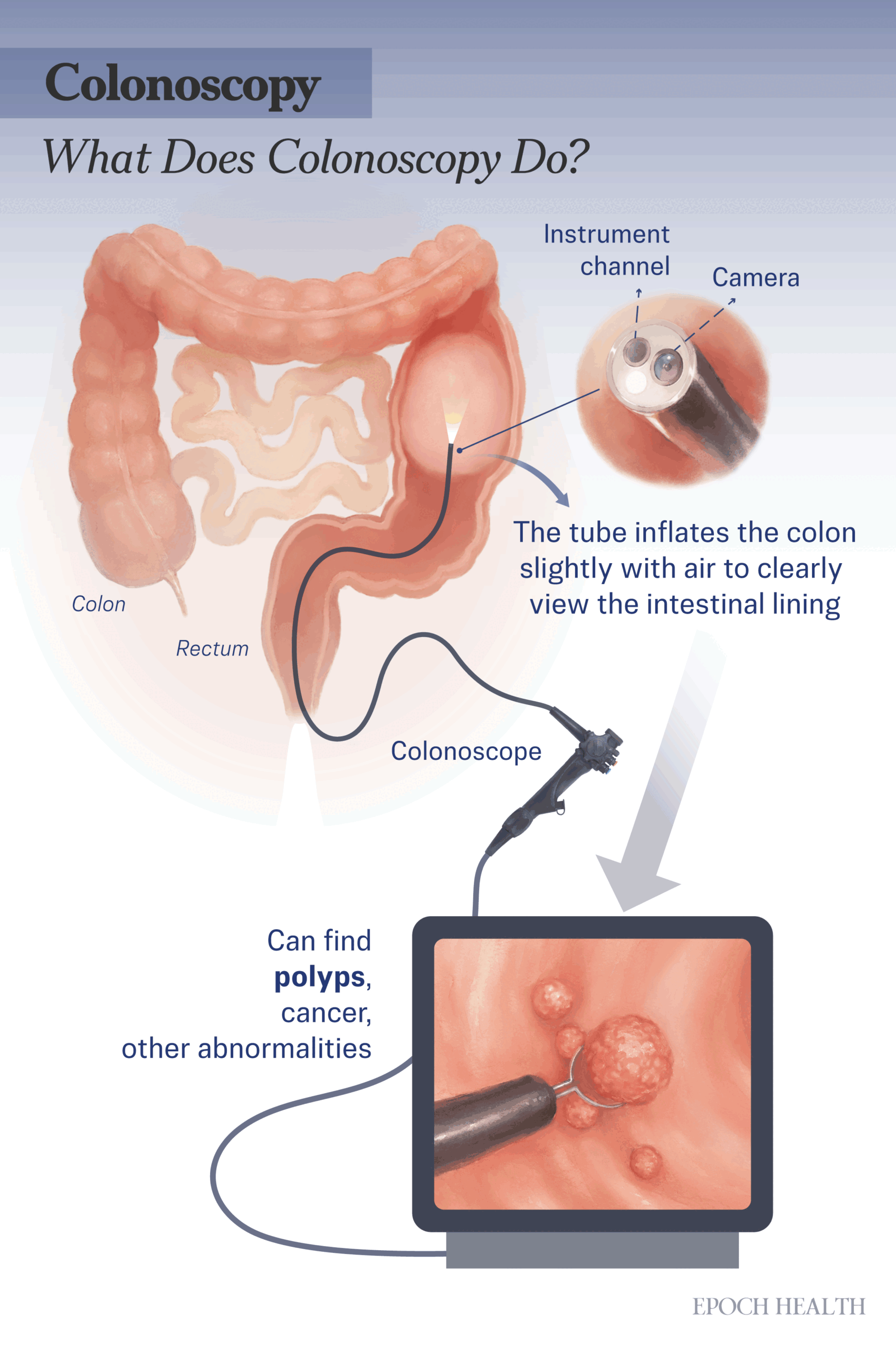 What Does a Colonoscopy Do?
The colon is the main part of the large intestine and is about 5 feet long in adults. The rectum stores stool until it passes through the anus. Together, they make up most of the large intestine, absorbing nutrients and converting liquid waste into solid stool.
During a colonoscopy, a gastroenterologist inserts a thin, flexible tube with a lighted camera (colonoscope) through the anus to examine the lining of the rectum and colon. The tube introduces air to gently inflate the colon so the doctor can see more clearly. If polyps or other abnormalities are found, they can often be removed immediately using tools such as forceps, snares, or electrocautery devices passed through the scope.
The procedure takes about 20 to 45 minutes.
Most colonoscopies in the United States are performed under sedation or anesthesia, so patients may sleep through the entire procedure. Those who choose lighter sedation—or none at all—may feel some discomfort.
The primary purpose of colonoscopy is to prevent or detect colon cancer.
Beyond cancer screening, colonoscopy can be used to both detect and treat a range of problems in the colon and rectum, including polyps, ulcerations, and diverticula (small pouches that can form in the colon wall).
It can also help determine the underlying causes of symptoms such as chronic diarrhea, rectal bleeding, and changes in bowel habits. During the procedure, doctors can identify inflamed tissue, sources of bleeding, and other abnormalities in the colon.
Who Should Have a Colonoscopy, and When?
According to the current guidelines, colonoscopy is recommended for most adults starting at age 45, and repeated every 10 years if results are normal. More frequent screenings may be recommended depending on any abnormal findings.
People at higher risk are suggested to begin screening earlier—at age 40 or 10 years younger than the age at which a first-degree relative was diagnosed with colorectal cancer, whichever comes first.
In older adults, colonoscopy carries a greater risk of complications. After age 75, the decision to continue screening should be made in consultation with a doctor based on potential benefits, risks, and patient preferences.
Beyond the main guidelines, screening recommendations continue to evolve. For instance, some guidelines recommend initiating screening at age 50. In addition, emerging evidence suggests that follow-up intervals after a normal colonoscopy may be safely extended in some people. A 2024 study found that people without a family history of colorectal cancer and with an initial normal colonoscopy may be able to wait up to 15 years before repeat screening.
Some experts suggest weighing the benefits and risks. For a person with a family history of colon cancer, it may be beneficial to keep a close watch, while for someone at low risk, it may be a different story.
These differences highlight continuing uncertainty and the need for individualized clinical judgment as evidence continues to evolve.
In addition, colonoscopy may be avoided or require careful consideration in people who:
* Have inadequate bowel preparation
* Have a bowel perforation, severe inflammation, or infection
* Have unstable health or significant medical conditions (advanced heart, lung, kidney, or liver disease)
* Have a life expectancy of less than 10 years, or risks that outweigh the potential benefits
* Have blood-clotting disorders
OOPS – Let’s take a quick break…
“The Colonoscopy Song” The Funniest ‘Rearview’ Country Tale Ever Told!
How Effective Is Colonoscopy?
“Colonoscopy has a sensitivity of 88 percent to 98 percent for identifying advanced, precancerous polyps,” Dr. Steven Lee-Kong, chief of colorectal surgery at Hackensack University Medical Center, told The Epoch Times.
The miss rate may be influenced by factors such as inadequate bowel preparation, the type of polyps being examined, and the skill of the endoscopist, noted Dr. Rucha Shah, a gastroenterologist. Small or flat polyps are harder to detect, and in some cases, the entire colon may not be fully visualized.
Colonoscopy allows doctors to remove precancerous polyps during the same procedure—something other screening tests cannot do. Removing these polyps has been shown to significantly reduce the risk of death from colorectal cancer, with one study reporting a 53 percent reduction in mortality associated with polyp removal.
However, recent studies have offered additional perspectives.
For example, colonoscopy is used much more frequently for screening in the United States than in Canada, where only about 15 percent of procedures are performed for screening, and most are diagnostic, yet colorectal cancer survival rates remain similar in both countries.
A major 2022 Nordic-European Initiative on Colorectal Cancer study found a modest reduction in colorectal cancer mortality with colonoscopy screening, no significant difference in overall death rates, and a low rate of serious complications.
What Are the Risks and Complications of Colonoscopy?
Colonoscopy is generally safe, but like all medical procedures, it carries some potential risks and complications. Most are minor and resolve quickly.
* Gas, Bloating, Cramping, or Stomach Discomfort: These symptoms are mainly caused by air introduced during the exam and temporary changes in gut bacteria from the bowel preparation. These typically resolve within a day or two, although some people may notice symptoms lasting a few weeks.
* Nausea, Vomiting, Dizziness, or Dehydration: These symptoms may occur as a result of the osmotic laxative used for bowel preparation.
* Mild Redness or Tenderness at the IV Insertion Site: This may occur in the arm where the intravenous line was placed.
* Medication Side Effects: Sedation or anesthesia may cause temporary changes in blood pressure, rash, or breathing difficulties.
* Electrolyte Imbalances or Kidney Problems: In some cases, the bowel preparation may lead to low levels of potassium, sodium, or magnesium, or affect kidney function.
Less Common and More Serious Side Effects
Certain complications are directly related to the colonoscopy procedure itself.
* Bleeding: Bleeding may occur after a biopsy or polyp removal, usually during or shortly after the procedure, although it can occasionally be delayed for up to one week. It is typically minor, with significant bleeding being rare and occurring in less than 1 percent of cases. The risk increases based on the size of the removed polyp.
* Perforation: Perforation during colonoscopy is very rare (less than one in 1,000 procedures) and involves a tear in the intestinal wall that can allow bowel contents to leak into the abdomen, potentially causing infection. It may occur due to mechanical injury from the scope or instruments, overinflation of the bowel, or thermal damage during polyp removal. Symptoms typically include pain during or shortly after the procedure, although small perforations may appear later. Untreated cases can lead to fever and abdominal infection.
* Postpolypectomy Syndrome: This occurs when heat from electrocoagulation (the removal of tissue with an electrical current) injures the colon wall during polyp removal. It is rare, occurring in about three to four per 10,000 colonoscopies. Symptoms may include fever, localized abdominal pain, and an increased white blood cell count.
* Splenic Injury: This rare but potentially life-threatening complication can occur when the spleen is directly injured or torn by traction during the procedure. It typically causes pain in the upper left abdomen that may radiate to the left shoulder and can progress to low blood pressure and shock.
* Infections: In rare cases, an infection may develop after a colonoscopy and require antibiotic treatment.
Cardiopulmonary events are related to the anesthesia or sedation used during colonoscopy. They can range from temporary issues such as low blood pressure, low oxygen levels, and fainting to more serious complications, including respiratory distress, irregular heartbeat, and acute coronary events.
Contact your doctor if you:
* Have abdominal pain that does not improve after passing gas
* Develop new or worsening abdominal pain
* Feel nauseated or cannot keep fluids down
* Notice blood in your stool
* Develop a fever (100.4 F or higher)
* Are unable to pass stool or gas
How Do I Prepare for a Colonoscopy?
“A successful colonoscopy hinges on a thoroughly cleansed colon, which is achieved through a standard preparation protocol involving dietary changes and a bowel-cleansing agent,” Lee-Kong said.
* Special Diet: This bowel-cleaning process usually starts on the day before a colonoscopy. Lee-Kong recommends a low-fiber or clear liquid diet, while avoiding solid foods and red-colored liquids. Avoid fruit punch, cranberry juice, red wine, and red sports drinks. Medical professionals often advise avoiding red, orange, or purple foods and drinks, as the coloring can resemble blood or inflammation in the colon. Clear liquids commonly recommended the day before the procedure include black coffee, plain tea, fat-free broth, gelatin, clear sports drinks without added color, strained fruit juices, and water.
* Bowel Preparation: This typically involves laxative solutions or tablets designed to fully cleanse the colon before the procedure. Patients are prescribed a laxative solution, often a polyethylene glycol (PEG) or sodium phosphate formula, to induce frequent bowel movements and clear the colon. The ‘split-dose’ method, where the solution is taken in two parts—the evening before and the morning of the procedure—is commonly recommended for a more effective cleanse, according to Lee-Kong. Other common options include sulfate-based solutions and magnesium citrate products. Some regimens combine laxatives like bisacodyl with PEG solutions or use over-the-counter mixes such as MiraLAX with clear sports drinks.
* Temporary Discontinuation of Medications: Before a colonoscopy, you may be asked to temporarily stop certain medications, such as aspirin, ibuprofen, naproxen, or other blood thinners, as they can increase the risk of bleeding. You will also usually need to stop taking iron supplements a few days before the test because they can darken stool and make it harder to see inside the colon.
* General Preparations: On the day of the colonoscopy, you may be allowed to wear dentures, but you may be asked to remove them before the procedure because they can shift during sedation and potentially obstruct the airway. Avoid bringing jewelry or valuables to prevent theft, and don’t wear nail polish as it may interfere with oxygen sensor readings.
* Transportation Plan: Since sedation is used during a colonoscopy, you will need someone to drive you home afterward, as you may feel drowsy or dizzy.
According to Lee-Kong and Shah, some groups may need additional preparation.
* Pregnant Women: Colonoscopy is generally avoided during pregnancy. If it has to be done, oral laxatives are generally avoided, and tap water enemas may be used instead. Sodium phosphate preparations are particularly avoided due to potential risks for both mother and fetus.
* Older Adults (Especially Older Than 75): PEG-based preparations are preferred to reduce the risk of electrolyte imbalances.
* People With Kidney or Heart Disease: Sodium phosphate solutions are generally avoided.
* People With Chronic Constipation: A more intensive, multiday preparation may be needed.
* People With Diabetes: Medication adjustments are required to prevent low blood sugar during preparation.
What Can I Expect After A Colonoscopy?
Recovery is usually quick, with most people returning to normal within about one day. After the procedure, you will spend 30 to 50 minutes recovering at the clinic while the sedative wears off.
Once home, you should rest for the remainder of the day and avoid driving, operating machinery, and drinking alcohol.
You can typically return to your regular diet, but bland, low-fiber foods may be better tolerated during the first 24 hours, since you may experience mild bloating or cramping from the air used during the procedure.
If polyps were removed, you might be advised to follow a more specific diet and avoid certain medications such as blood thinners.
What Are the Alternatives to Colonoscopy?
Colonoscopy isn’t the only option—and it may not be your preference. According to a 2025 study, around 75 percent of adults eligible for screening prefer a noncolonoscopy option—such as stool-based or blood-based tests—as their first choice.
Several alternatives to colonoscopy are available, and they are often preferred due to lower invasiveness, patient preference, or medical contraindications, Lee-Kong said. Noninvasive stool-based tests are a primary alternative and include the following:
* Fecal Immunochemical Test (FIT): This home-based annual test detects human blood in stool samples and does not require dietary restrictions. If blood is detected, a repeat test or follow-up colonoscopy may be needed. It has a reported 97 percent accuracy for detecting colon cancer.
* Multitargeted Stool DNA Test Plus FIT: This test combines FIT with stool DNA analysis using a single sample to check for both blood and abnormal DNA every three years, although it requires collecting an entire bowel movement. It can detect up to 93 percent of cancerous lesions.
* High-Sensitivity Guaiac-Based Fecal Occult Blood Testing (gFOBT): This noninvasive screening test uses a chemical reaction to detect hidden blood in stool, which may indicate colorectal cancer or polyps. Compared with older gFOBTs, it detects cancers more effectively but often requires dietary restrictions and avoiding vitamin C supplements for three days before testing to reduce false-positive results.
“While convenient, a positive result on any of these tests necessitates a follow-up colonoscopy,” Lee-Kong said. A follow-up colonoscopy is generally recommended within nine months.
Other visual and imaging tests, which also require bowel preparation, include the following:
* Flexible Sigmoidoscopy: Uses a scope to examine only the lower third of the colon. It can be performed while the patient is awake and can detect about 70 percent of polyps or tumors, although it does not assess the upper colon.
* Virtual Colonoscopy (CT Colonography): This noninvasive imaging test uses a CT scan after air is introduced into the rectum. It can detect most larger tumors but may miss smaller polyps, which could still require a follow-up colonoscopy for removal.
Lee-Kong noted that these alternatives may be particularly appropriate for average-risk people who decline colonoscopy and for frail older people or others for whom the risks outweigh the benefits.
RELATED LINK: Scientists Pinpoint How Toxic Bacteria in the Gut Causes Colon Cancer – as Disease Surges in Under 50s
Written by Mercura Wang and Medically reviewed by Jimmy Almond, M.D. for The Epoch Times ~ May 19, 2016