
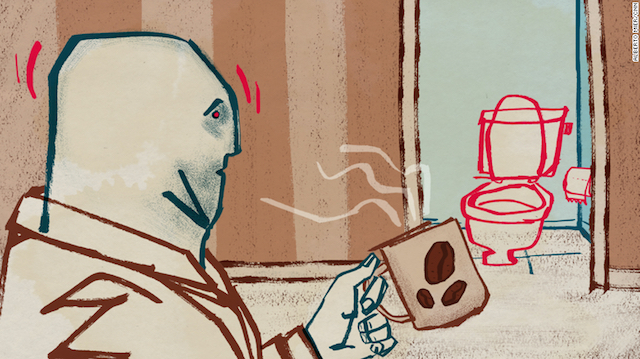
 Coffee is many people’s favorite way to start their day. In fact, according to the National Coffee Association, nearly 66% of American adults drink at least one cup of coffee every day. But before you reach for that steaming mug, it’s a good idea to talk about how coffee interacts with certain medications.
Caffeine can provide a temporary energy boost, but it can also change the way some medicines work within your body-sometimes in surprising and even profound ways.
From jitters to how your body absorbs certain drugs, the combination of coffee and medication is something not to be taken lightly. Here are 11 common medications that one must have with caution when paired with that morning brew.
Antibiotics (Ciprofloxacin, Norfloxacin)
 Certain antibiotics, such as ciprofloxacin and norfloxacin, can interact with caffeine. These antibiotics impede caffeine’s breakdown in the system, allowing it to build up in your bloodstream.
This can lead to increased side effects like jitteriness, restlessness, and insomnia. According to Harvard Health Publishing, to avoid these uncomfortable effects, it is best to skip coffee while taking these antibiotics.
Antidepressants (MAOIs)
 Another class of antidepressants, MAOIs, can also create serious complications when combined with caffeine, according to research from WebMD.
Caffeine consumed while on MAOIs can dangerously increase your blood pressure, which could lead to a hypertensive crisis. This combination is best avoided, and if you’re on these medications, you may want to limit your coffee intake.
Antipsychotics (Clozapine)
 Clozapine is an antipsychotic drug that can have strange interactions with coffee. Coffee may raise the concentration of clozapine in your system and increase the chances of side effects such as dizziness, confusion, or even seizures.
According to Harvard Health, it would be a good idea to talk with your doctor about ways of moderating caffeine intake while on clozapine.
Asthma Medications (Theophylline)
 Pain relievers such as ibuprofen and acetaminophen are combined with caffeine in some over‑the‑counter medication combinations to enhance pain relief. However, when you consume coffee while taking these combinations, the effects are improved, thereby increasing the risk of stomach irritation and ulcers.
As the Cleveland Clinic states, all that coffee may put added pressure on your digestive system, particularly when combined with painkillers.
Blood Thinners (Warfarin)
 Warfarin is an anticoagulant medication usually prescribed to prevent blood clots. Caffeine may interfere with how warfarin works in your body, affecting its ability to control clotting. In one PubMed study, when warfarin was administered together with caffeine, the AUC for prothrombin time increased from 1991.6 to 2124.8, and the AUC for INR rose from 153.7 to 167.5.
According to Harvard Health, this can result in either an increased tendency to bleed or the formation of unwanted clots, depending on your body’s response.
Diabetes Medications (Insulin, Metformin)
 For those whose diabetes is controlled with medications such as insulin or metformin, caffeine can cause problems with blood sugar control. Coffee might reduce insulin sensitivity, worsening blood sugar control.
WebMD notes that the combination increases the risk of insulin resistance, which can raise blood sugar levels.
Thyroid Medications (Levothyroxine)
 Levothyroxine is often prescribed for hypothyroidism, and consumption of coffee shortly after the intake of the drug may reduce its absorption. It has been seen that with coffee taken simultaneously with levothyroxine tablets, the average incremental rise in serum T4 fell by about 29–36%, and about 27–36% regarding the area under the curve.
That said, a 2022 study found that a liquid formulation of levothyroxine was not affected by coffee when taken 5 minutes before coffee. According to the Endocrine Society, timing and formulation matter a lot here.
Heart Medications (Beta‑blockers like Propranolol)
 Beta‑blockers, like propranolol, are indicated for hypertension and heart disease. Caffeine will antagonize the depressant actions of medicines like these, causing blood pressure to rise and increasing heart rate.
A 2024 ScienceDirect review of pharmacology says that caffeine negatively impacts the activity of some heart medications and may cause arrhythmias. This may be significant enough that your prescriber alters your dose or switches you to a different medication.
Anti-Anxiety Drugs (Benzodiazepines)
 Medications for anxiety, such as Xanax, are benzodiazepines, and coffee interferes with their action. As a stimulant, caffeine can make anxiety more challenging to manage when you’re trying to unwind.
Harvard Health suggests reducing caffeine intake so that your anti-anxiety medication can do its job.
Osteoporosis Medications (Bisphosphonates)
 Medications for osteoporosis, especially bisphosphonates such as alendronate, can help strengthen bones, but coffee reduces their absorption. As Harvard Health notes, taking these medicines with coffee may inhibit their effectiveness and diminish their benefits.
Therefore, a simple recommendation to guarantee the best possible bone health is to avoid coffee for at least 30 minutes after taking osteoporosis medications.
Cold & Allergy Medications (Pseudoephedrine)
 Pseudoephedrine is a common ingredient in cold and allergy medicines that can have several side effects when taken together with caffeine. Both are stimulants, meaning they can increase heart rate, cause palpitations, and give you a sleepless night.
WebMD recommends avoiding mixing coffee with pseudoephedrine, though this may depend on one’s current heart condition.
~ Key Takeaway ~

Coffee might be the best part of your day, but if you’re on medications, that mug could give you trouble. Caffeine can interact with many medications, whether by affecting how the drug is absorbed, metabolized, or responded to by your body, in ways one might never think.
The best course? Be very aware of how caffeine affects your health, and always check with your doctor if you’re unsure about any interactions. It may require reducing your coffee intake or changing your routine to best support your overall health and the effectiveness of your medication.
Written by Mitchelle Abrams for FODMAP Everyday ~ November 25, 2025