
 Cancer patients who receive chemotherapy during the last stages of their life are more likely to die in hospital rather than their preferred location at home, a study has shown.
The research showed that many doctors have a hard time initiating end-of-life conversations with their patients, especially the young, even after cancer has spread to different parts of the body.
Such patients were also less likely to have discussed their final wishes with their doctors, meaning many were placed on a ventilator and had a less peaceful death than those who ended treatment early. Continue reading
 The more radiation therapy you receive, the more likely it is you’ll develop a second cancer caused by that radiation, according to a document[PDF] released by the American Cancer Society, which admits that certain organs such as the breast and thyroid are more prone to developing a second cancer.
 Instead of focusing on natural and safe methods of prevention and treatment, we continue to treat by using surgery, chemotherapy and radiation to cut out, poison out and burn out the symptoms of cancer while leaving the underlying causes untreated – and we continue to largely ignore the role that proper diet, nutrition and lifestyle plays in preventing and helping cure cancer.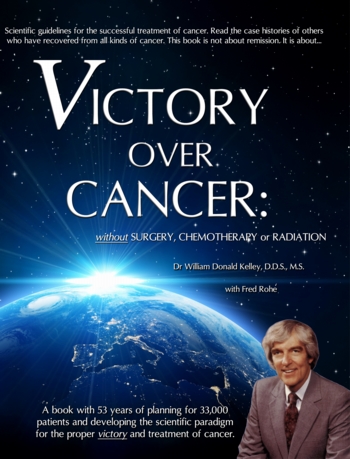
 Scientists found that healthy cells damaged by chemotherapy secreted more of a protein called WNT16B, which boosts cancer cell survival. ‘The increase in WNT16B was completely unexpected,” said Peter Nelson, of the Fred Hutchinson Cancer Research Center.
 With $100 billion a year now being spent on toxic chemotherapy treatments that damage patients and cause “chemo brain” side effects, a panel of cancer experts commissioned by the National Cancer Institute publicly admitted two years ago that tens of millions of “cancer cases” aren’t cancer at all.
 An important paper has been published in the Australian Journal Clinical Oncology. This meta-analysis, entitled “The Contribution of Cytotoxic Chemotherapy to 5-year Survival in Adult Malignancies” set out to accurately quantify and assess the actual benefit conferred by chemotherapy in the treatment of adults with the commonest types of cancer. Although the paper has attracted some attention in Australia, the native country of the paper’s authors, it has been greeted with complete silence on this side of the world.
  A breakthrough international trial of a new cancer drug has given researchers renewed hope in the fight against leukaemia, with one Australian doctor suggesting it could end traditional chemotherapy treatments for good.