
It is 100 years later and what do we find? Maybe similarities to the Pandemic of 2020. Extremely well researched and although it may not help you in your quest toward Your Good Health, you should find the lessons of interest – and maybe even some answers to the similarities of the modern day issues. ~ Ed.

Déjà vu? Public gathering places were ordered closed in 1918.
~ Abstract ~
The high case-fatality rate—especially among young adults—during the 1918–1919 influenza pandemic is incompletely understood. Although late deaths showed bacterial pneumonia, early deaths exhibited extremely “wet,” sometimes hemorrhagic lungs. The hypothesis presented herein is that aspirin contributed to the incidence and severity of viral pathology, bacterial infection, and death, because physicians of the day were unaware that the regimens (8.0–31.2 g per day) produce levels associated with hyperventilation and pulmonary edema in 33% and 3% of recipients, respectively. Recently, pulmonary edema was found at autopsy in 46% of 26 salicylate-intoxicated adults. Experimentally, salicylates increase lung fluid and protein levels and impair mucociliary clearance. In 1918, the US Surgeon General, the US Navy, and the Journal of the American Medical Association recommended use of aspirin just before the October death spike. If these recommendations were followed, and if pulmonary edema occurred in 3% of persons, a significant proportion of the deaths may be attributable to aspirin. ~ Editor
Continue reading


 Arsenic poisoning did not kill Napoleon, a new analysis suggests, contrary to claims made in recent years. The results of the study show high levels of arsenic in Napoleon Bonaparte’s hair throughout his life, suggesting he was not poisoned at the end of his life while in exile on the island of Saint Helena. Rather he probably absorbed arsenic constantly throughout his life, the researchers say.
  2020 has been a tough year for many of us, least of all those of us who have developed an addiction to opioids.

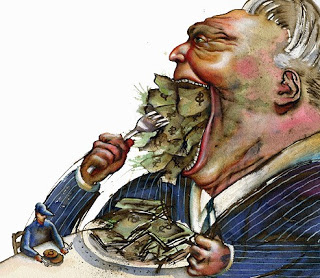
 To many of us, it has been pretty clear for a long time that Big Pharma engages in very dishonest tactics – and that’s putting it politely – when it comes to pushing their toxic “treatments” on people, but now some people who have worked on the inside are
  A widely read study claiming the use of the antimalarial hydroxychloroquine to treat coronavirus leads to an increased risk of death has been retracted, the study’s publisher said Thursday.
 An international poll of thousands of doctors rated the Trump-touted

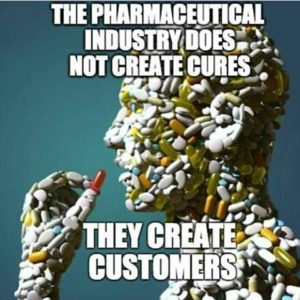 A leading medical journal is launching a global campaign to separate medicine from big pharma, linking industry influence to the pelvic mesh scandal that injured hundreds of women.