

The Dupont/Denka plant as seen from a levee wall on the opposite side of River Road. The plant was built by chemicals company DuPont and sold to the Japanese firm Denka in 2015. Photograph: William Widmer/Redux/eyevine
Residents of the town on the banks of the Mississippi River have watched as family members and neighbors have been lost to cancer. Official figures show the risk of cancer from toxic air is 50 times higher in Reserve than the national average. Feeling neglected by politicians, they are fighting back against the chemical plant has been emitting chloroprene into the air for half a century. Continue reading
 Monsanto must pay $2 billion to a California couple who claim carcinogenic chemicals in the company’s weedkiller, Roundup, gave them cancer, a jury ruled Monday.
 Childhood exuberance is now a liability. Behaviors that were once accepted as normal, even if mildly irritating to adults, are increasingly viewed as unacceptable and cause for medical intervention. High energy, lack of impulse control, inability to sit still and listen, lack of organizational skills, fidgeting, talking incessantly—these typical childhood qualities were widely tolerated until relatively recently. Today, children with
 Researchers say that patients seeking medical care were on average three times more likely to be given opioids in ‘high-prescribing states’ like Georgia and Nebraska than in ‘low-prescribing states’ like West Virginia and Michigan.
 More and more, people are realizing that the cancer industry is more concerned about their wallet than their well-being. As a result, there are a growing number of patients looking for alternative treatment options to conventional medicine, but don’t know where to begin.
  The war on cancer began nearly half a century ago, and yet, not much has really changed. Hundreds of billions of dollars have been spent on cancer


 Dr. Maurice Hilleman made astounding revelations in an interview that was cut from The Health Century — the admission that Merck drug company vaccines had been injecting dangerous viruses into people worldwide.
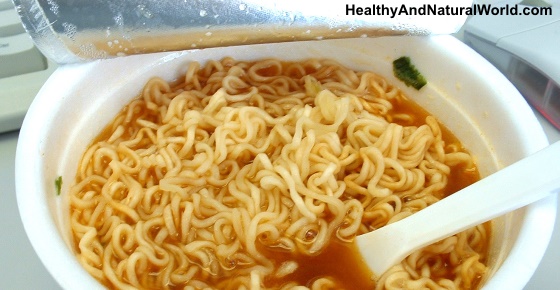 Instant noodles are a convenient and tasty dish that is popular worldwide. The number one global consumer is China, and the United States is ranked sixth in instant noodle sales, with 4.1 billion units sold in 2017. However, studies showed that eating instant noodles is linked to heart attack, stroke, high blood pressure and possibly cancer.