…and how much more do you think that our cost of Hell-Care has gone up since the author wrote this column in 2002? ~ Editor
Government And Medicare Have Driven Up Our Medical Costs.
 March 15, 2002 ~ In 1962 I still lived in the Los Angeles area, where I was born and where I grew up, where I attended private school and UCLA. In August, 1962, I moved away from the congestion to my second home, Arizona, where my grandparents had lived and where I had spent much of my childhood. However, the main reason for coming here was that my mother had undergone very serious surgery at the UCLA Medical Center in June, 1962, and I wanted her to be around her mother and sisters.
Two facts need to be established so that the purpose of this article is clear. First, there was no such thing as Medicare in 1962 and most medical and hospital services were affordable to working men for themselves and their families.
Second, I was the sole support of my mother and her only child, she was not covered under my employer’s health benefits at any premium, because a dependent parent wasn’t eligible. As a woman business systems analyst, I was paid about half what the men made for a similar job. Continue reading →

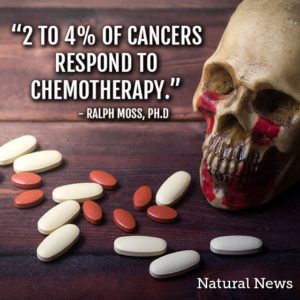 I will never forget the first time I saw those words. I was entering a cancer ward for children. Written on a large easel at the entrance to this ward was the following inscription…
 Right now, Robert F. Kennedy Jr. is in the process of getting the Senate votes needed to become the Secretary of Health And Human Services in the United States. During this process, the 71-year-old politician was called for various comments made about the link between autism and vaccines. This includes calling autism “non-existent”, “tragic”, and “an epidemic”, all of which Kennedy Jr. refused to explain during the hearing. This was further supported by President Donald Trump, who said we “needed Bobby” to combat the 1-in-32 autism diagnoses in children that happen every year in the United States. This is highly hypocritical of Kennedy Jr.
 * Breast cancer cases in Americans under 45 years old dramatically increased after the introduction of mRNA COVID-19 vaccines, from approximately 26,000 in 2019-2022 to 297,000 in 2023, a nearly 1,000% increase in just 5 years.
 It kills about half a million people every year. Pancreatic cancer can often be halted, but it’s rarely detected in time.
 Cigna Group plans to make changes to help lower out-of-pocket cost of prescription drugs, the company said on Wednesday, as it responds to criticism over the role of its pharmacy benefit manager in driving up drug costs.
  Throughout COVID-19, abysmal hospital care and the suppression of effective off-patent therapies killed approximately a million Americans. Much of this originated from Obamacare pressuring hospitals to aggressively treat patients so they could quickly leave the hospital and reduce healthcare costs.
 Pharmaceutical companies just raised list prices for over 500 medicines, including Novo Nordisk’s Ozempic, Gilead’s HIV-1 treatment Biktarvy and Genentech’s hemophilia A medication Hemlibra.
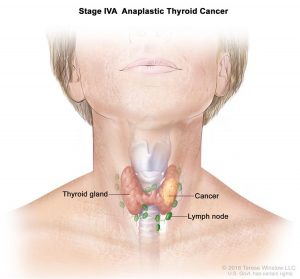 The thyroid is the small-but-mighty ground zero for hormone and metabolism function. One woman reflects on beating thyroid cancer – twice -as a surgeon shares encouraging data.
 Cancer has become one of the leading causes of death worldwide, yet there is still much confusion and controversy about its underlying causes.